
Source: www.MNNonline.org
Date: July 28, 2026
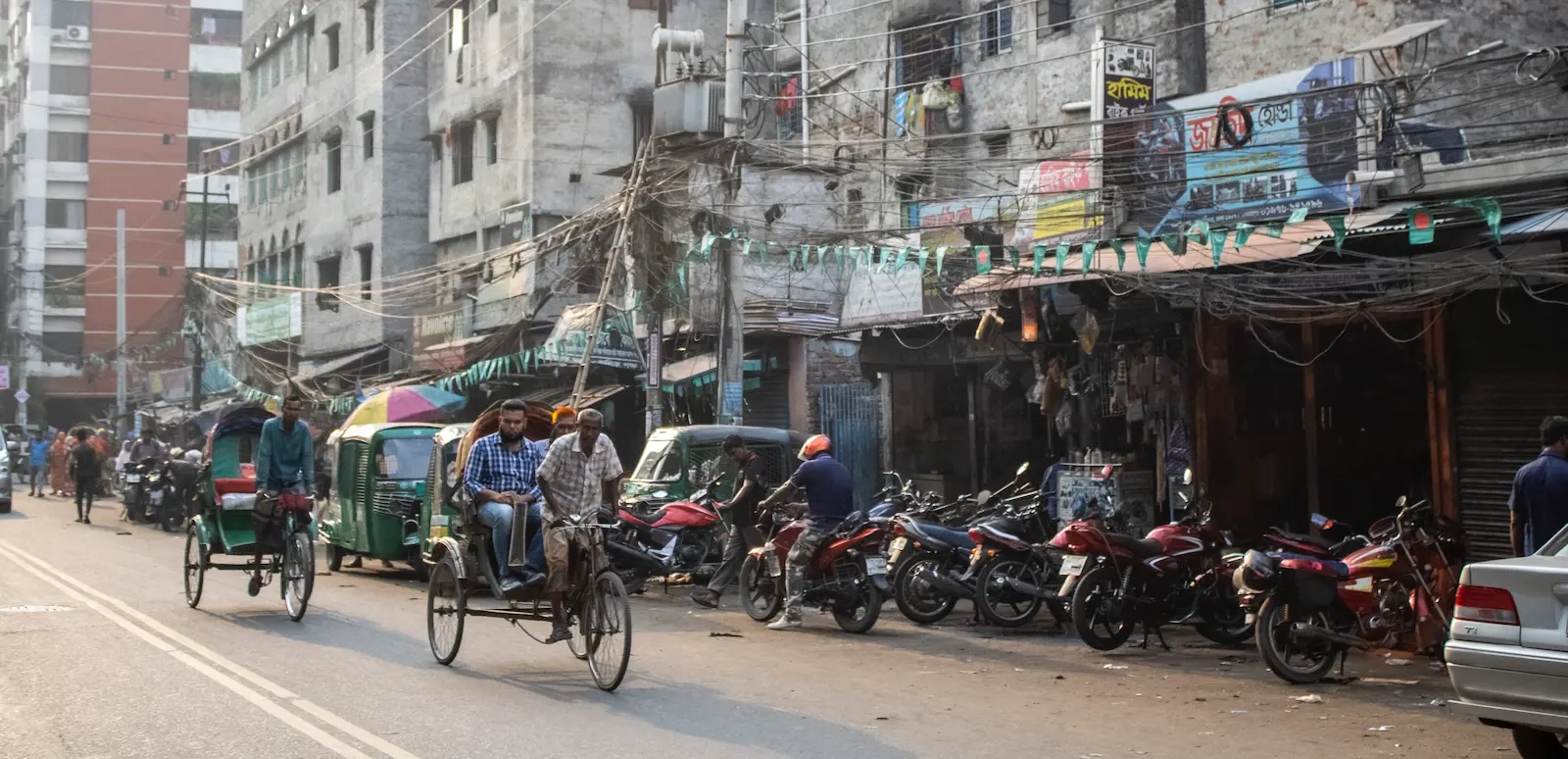
Bangladesh (MNN) — Bangladesh President Mohammad Shahabuddin resigned from office on Friday, marking another political upheaval for the country. He cited health concerns, but onlookers see broader political motivations at work.
Greg Kelley with Unknown Nations says, “It was more of a forced resignation. The presidential role is largely a ceremonial one in Bangladesh. The power really lies with the prime minister, who is the leader of the [Bangladesh Nationalist Party, or BNP].”

Image courtesy of Juber Ahmed Sahel on Pexels
The BNP came to power after longtime Prime Minister Sheikh Hasina was ousted in 2024 for violently suppressing mass protests. She fled to India and has remained there since. Following a year-and-a-half-long interim government, the BNP won enough parliamentary seats to form the government in February 2026.
Shahabuddin took office in 2023 and was seen as an ally of Hasina. His resignation comes amid Hasina’s announcement that she plans to return to Bangladesh to face trial, and possibly a death sentence.
On Sunday, two days after Shahabuddin’s resignation, the Bangladesh International Crimes Tribunal started a probe into whether he committed “crimes against humanity” for his alleged role in Sheikh Hasina’s response to the 2024 protests. He is also being investigated for corruption allegations. A new president must be elected by Parliament within 90 days, according to the Bangladesh Constitution.
Kelley says, “What happens in countries like Bangladesh, any time there’s political transition and there’s a bunch of instability, it creates opportunities for other groups — radical groups. And there’s absolutely a presence of radical Islam within the country of Bangladesh.”
Bangladesh is a Muslim-majority nation. Since Sheikh Hasina left office, the ensuing power vacuum has enabled Muslim political parties like Jamaat-e-Islami to greatly increase their street presence.
Danger and opportunity for Christians
Christians face intense persecution in Bangladesh. However, the BNP claims they want to protect religious freedom as part of their government. Pray that they would follow through on these promises, and that extremist groups would not come to power and make persecution worse.
There are incredible mission opportunities in Bangladesh. Kelley highlights the Bengali Muslims, one of the largest unreached people groups in the world. Further, Bangladesh houses the largest refugee camp in the world, the Kutupalong settlement, which is primarily made up of Rohingya people who fled from neighboring Myanmar.

Image courtesy of Juber Ahmed Sahel on Pexels
Bangladesh is an incredibly strategic country for Christians, Kelley says, and one that is not often covered. It faces numerous humanitarian crises because of how close it is to sea level and how many typhoons hit it on an annual basis. Bangladesh is also the eighth-most-populous country in the world with more than 175 million people, despite being smaller than the American state of Idaho
Unknown Nations works to fill the need by distributing thousands of solar-powered audio Bibles in the Bengali language.
“We have a massive network of indigenous leaders who are planting churches, sharing the Gospel, loving people, and we just need to be praying for Bangladesh,” Kelley says.
Pray that reasonable minds would prevail in the tumultuous political situation. Most importantly, pray that the Lord of the harvest would send workers into the mission field of Bangladesh.
Header image courtesy of Unknown Nations