
Source: www.MNNonline.org
Date: October 1, 2026
International (MNN) — Rising fuel prices are forcing gospel workers around the world — and the ministries that support them — to make difficult choices between good things.
Patrick Anthony with FMI says inflation has hit their partners especially hard in Kenya, Bangladesh, Indonesia, and Türkiye.
“They say, ‘Hey, fuel rises today. That means food prices rise tomorrow,’” says Anthony. “Sometimes we may have to make tough decisions. We want to do these two, three things, perhaps, but wow! Because of fuel costs today, we may only be able to do one or two.”
Even the wisest budget plans have to be flexible, because “everything is changing so quickly that what the price is today, we can’t expect that to be tomorrow, much less in a month from now,” Anthony says.
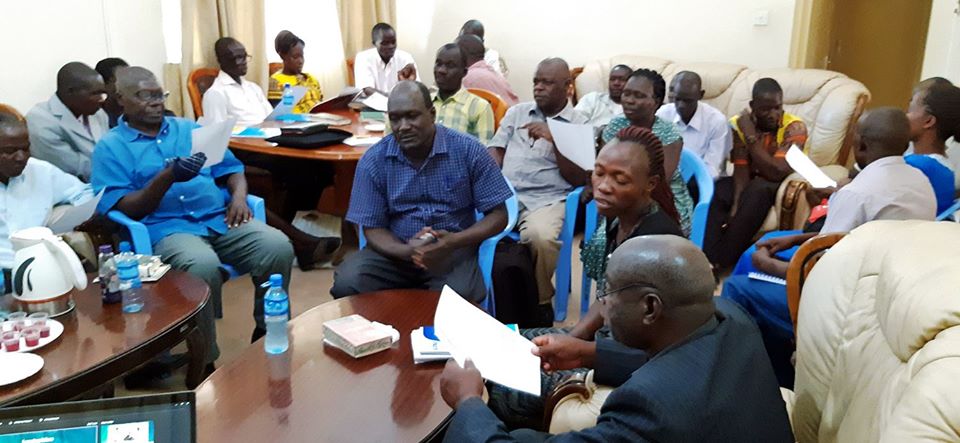
Here’s one example of this. Recently, partners in Kenya asked FMI to support more gospel workers planting churches. FMI’s supplemental financial support helps these pastors focus on ministry for a season.
“The donation that we send goes to them to help them put food on the table and help them spend a little bit more time on cultivating the ministry, that they don’t have to work quite as many hours, say, on a small business or something,” says Anthony.
But around the same time that the request to add church planters was made, inflation was making it hard for those already serving to feed their families.
FMI had to ask them a difficult question: “What is your preference? We can either provide funds to add more [church-planting] partners to the roster. Or we can increase monthly donations a little bit to help your current partners, but we would not be adding any more partners at this time.”
Rather than ease their own financial burden, the pastors in Kenya chose to add more church planters to reach more people with the gospel.
“Obviously, we want to be able to do both, but it’s a tough, tough situation,” says Anthony.
Find your place in the story
Pray for ministry leaders around the world, especially those in persecuted or impoverished regions (or both).
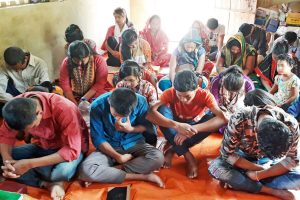
Indonesia (Photo courtesy of FMI)
“They have major challenges that seem like they’re just getting harder. One ministry leader said, ‘Listen, we used to have five problems on the table, and now this past year, we have 10 problems on the table,'” says Anthony.
He believes pressure like this is not going away.
“We’re told in the Scriptures [that] life is going to get harder. You know, the world is going to experience more and more pains, and that means economic pains too,” he says.
This calls for wisdom and creativity on the part of Christians.
“Pray that more and more believers in the [United States] and around the world understand, ‘What are the timeless truths of the Scriptures? What can pastoral ministry look like tomorrow to really meet the needs of their people?’” says Anthony.
After these prayers for God’s perspective, there is a practical element. New donors can help FMI lift the burdens on Christian leaders experiencing financial hardship. If this is something you feel called to explore, visit FMI’s website to learn what you would be investing in.
Anthony explains that FMI support is meant to supplement the income a pastor receives from their church in offerings, along with any income from a small business the pastor is already involved in. This support is only for a season, though. FMI’s goal is for a pastor to pursue other, creative avenues to build longer-term financial stability.
“They apply to the program, and if they are approved by the national leadership team as well as the U.S. staff, then a partner is approved up to six years,” he says.
Connect with FMI at their website to learn more.
Header photo from Kenya courtesy of FMI.