
Source: www.MNNonline.org
Date: November 24, 2026
Indonesia (MNN) — Indonesian vice president Gibran Rakabuming Raka resigned on November 12 after months of political controversy about his educational credentials.
Gibran is the son of the country’s former president, Joko Widodo (popularly known as Jokowi), a Muslim who banned several hardline Islamist groups in Indonesia during his presidency. His policies have bearing on his son Gibran and the aftermath of his resignation. FMI’s Patrick Anthony says Christian partners are wondering if backlash will come from groups who opposed former president Jokowi’s religious tolerance rather than strict interpretation of Islam.

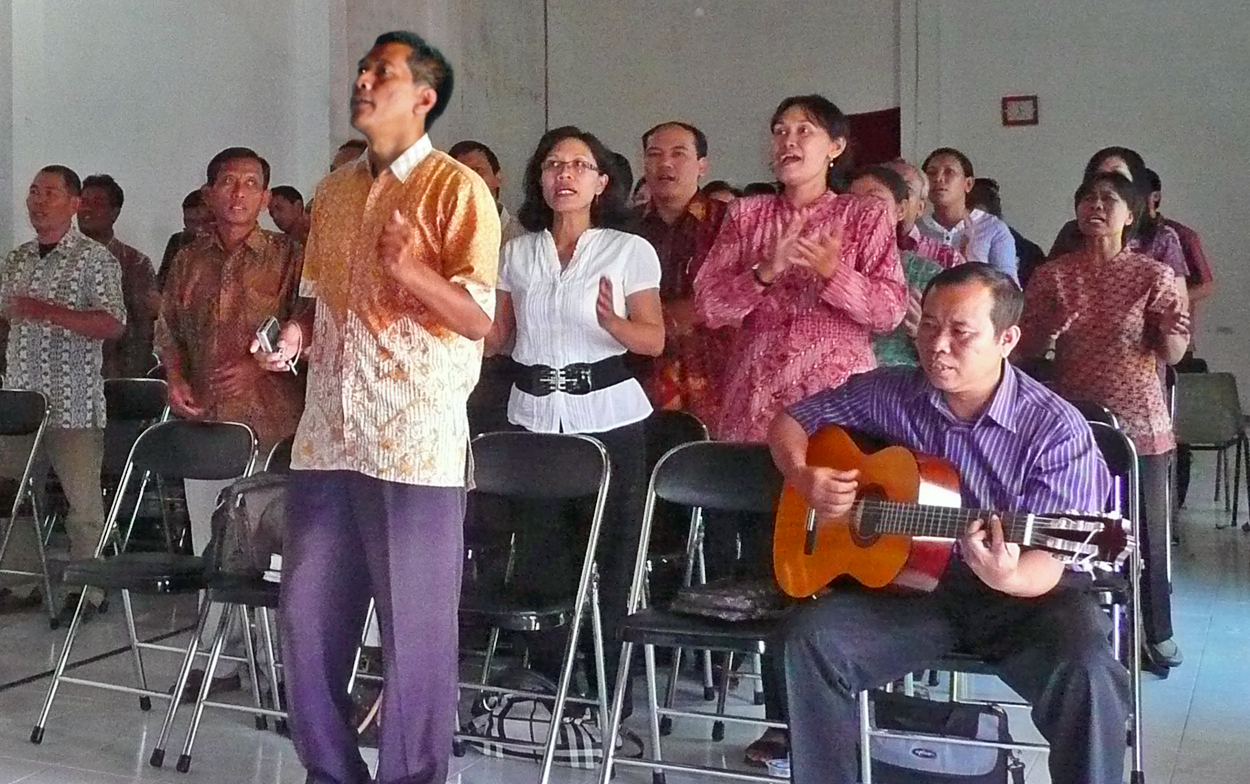
Indonesia (Photo courtesy of FMI)
“One of their concerns is that the resentment that had been building over the years will now kind of be manifested or fleshed out in reality, and they may see some more tensions toward minority groups,” Anthony says.
“I wouldn’t say they’re worried, but our partners are looking at the potential that they may be facing more tension [or] intolerance from even the government towards the churches and Christian communities.”
Indonesia’s current president, Subianto Prabowo, is a follower of Islam but does not adhere to hardline interpretations of the Quran. However, Islamic groups in Indonesia have strong voices, and like other political leaders, Prabowo has proven willing to make decisions based on political advantage.
In short, it is good to be watchful. An Indonesian Christian government leader explained to Anthony the historical precedent of Indonesia’s believers being turned into scapegoats. He told him that in the late 1990s, “Christians were blamed for the chaos in the country. There were cases in Aceh, Northern Sumatra, and churches were banned at that point,” Anthony says.
Indonesia’s constitution lists six official state religions, and religious tolerance is generally valued among Indonesians. However, certain regions of the archipelagic state are hotspots of persecution against Christians.
“There’s no nationwide ban on churches. However, there are reports that [under] the current president, its churches haven’t necessarily been banned, but because the permitting restrictions [on buildings] can be so tough, it’s really prevented some congregations from establishing a church,” says Anthony. “Our partners are seeing those kinds of trends.”
In the curious mix of tolerance, opposition, and gospel opportunity that are present in Indonesia, FMI partners remain eager to reach new islands with the message of Jesus.

Indonesia (Photo courtesy of FMI)
“They’ve been working on establishing ministry in Sumatra,” Anthony says of one team in particular. “They already have dreams of jumping to another one of the islands and getting ministry fully established there.”
He notes that, on a personal level, sharing the gospel is sometimes a cultural battle for Indonesians. Jesus’ claim in John 14:6 to be the Way, Truth, and Life draws a hard and clear line.
“Because Indonesia does stress harmony so much, sometimes that can actually fight against sharing the gospel, because people don’t want to make their neighbor upset,” says Anthony. “Continue to pray for boldness of our partners and their church members, and God’s help to identify more Indonesian leaders who will carry the ministry.”
Header photo: Indonesian believers worshipping (Photo courtesy FMI)